
What Can Safety Barriers Protect Against?
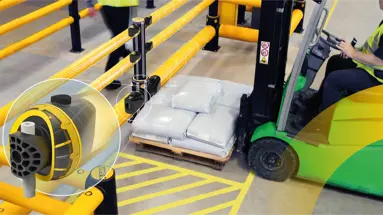
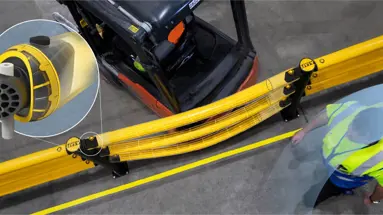
Safety barriers for industrial workplaces are designed to withstand impacts from:
-
Cars
-
Trucks
-
Forklift trucks
-
Pallet trucks
-
Other on-site vehicles
Learn more about what safety barriers can protect against.
Are There Safety Standards for Safety Barriers?
PAS 13 is a code of practice for the installation and testing of safety barriers. It was created by the British Standards Institution in collaboration with a steering group of blue-chip companies and the Health and Safety Executive. The technical author and sponsor of the submission was A-SAFE.
Learn more about whether safety standards for safety barriers exist.
What Is an Industrial Safety Bollard?
A bollard is a fixed vertical post that provides robust protection against unwanted impacts, such as vehicle collisions and large forces that can cause damage.
Industrial bollards are specifically used in industrial environments such as:
-
Factories
-
Warehouses
-
Distribution centres
-
Storage facilities
-
Airports
-
Car parks
Learn more about what an industrial safety bollard is.
What Can Different Types of Industrial Bollards Protect Against?
There are two main types of industrial bollards:
-
Standard bollards
-
Fixed bollards
Learn more about what different types of industrial bollards can protect against.
Are There Safety Standards for Bollards?
Currently, there are no officially established safety standards specifically governing the use of bollards in industrial facilities. However, there are several guidelines and codes of practice relating to their use, including:
-
Traffic Advisory Leaflet 02/13
-
PAS 13
-
PAS 68
-
PAS 170-1
Learn more about whether safety standards for bollards exist.
What Is Workplace Safety?
Workplace safety refers to the rules, regulations, and guidelines that keep corporate and industrial working environments safe during day-to-day operations. Some of these rules are outlined in official regulations, some are specific to individual industries or workplaces, and others are common-sense approaches designed to keep people safe at work.
Learn more about what workplace safety is.
Workplace Hazards | Who and What Is at Risk?
There are three key areas of concern:
-
People (employees, contractors, visitors, etc.)
-
Infrastructure (buildings, structural weak points, etc.)
-
Assets (stock, machinery, equipment)
Learn more about workplace hazards | who and what is at risk.
What Are Workplace Hazards?
The Occupational Safety and Health Administration (OSHA) in the United States has identified four primary types of hazards found in most workplaces:
-
Physical hazards
-
Chemical hazards
-
Biological hazards
Learn more about workplace hazards.
Who Is Responsible for Workplace Safety?
There are many ways to ensure workplace safety, including:
-
Incident reporting
-
First aid materials and training
-
Effective training for machine and equipment operators
-
Fire and emergency procedures
-
Use of personal protective equipment (PPE)
Learn more about who is responsible for workplace safety.
Which Workplaces Use Safety Barriers?
Types of workplaces that use safety barriers include:
-
Factories
-
Warehouses
-
Distribution centres
-
Airports
-
Car parks
Learn more about which workplaces use safety barriers.
What Needs Protection by Safety Barriers?
Which areas of a facility require safety barriers?
Various elements of a factory, warehouse, or industrial site require additional protection against vehicle impacts, including:
-
People
-
Machinery
-
Infrastructure
-
Storage
Learn more about what needs protection by safety barriers.
What Types of Safety Barriers Are There?
What types of safety barriers can be found in the workplace?
There is a wide range of safety barriers available in factories and warehouses to suit different needs. The industry you operate in and the type of environment within your facility will determine which barriers are best suited to your requirements.
Types of safety barriers include:
-
Traffic barriers
-
Pedestrian barriers
Learn more about what types of safety barriers exist.
What Polymer Safety Barriers Are Available?
Polymer: Understanding the Basics
You may be wondering about polymers—specifically what they are and how they differ from other materials used in safety barriers. This section covers some frequently asked questions.
What Is a Polymer?
A polymer is a material made up of smaller molecules that bond together in chains to form larger molecules. “Poly” means “many” and “mer” means “parts.”
Learn more about available polymer safety barriers.
How Does a Polymer Safety Barrier Work?
Robust, Flexible Polymer Safety Barrier
As mentioned above, the exclusive polymer material Memaplex™ consists of three layers and is specifically designed to absorb impact force and return to its original shape.
The three layers in the Memaplex™ barrier are:
-
Outer coloured layer stabilised against UV radiation
-
Central impact-absorbing zone
Learn more about how polymer safety barriers work.
How to Protect Employee Safety in the Workplace?
Ensuring Employee Safety at Work | What Do I Need to Know?
In busy industrial workplaces, many things need protection—from machinery and equipment to the building itself. However, the most important asset of any company is its workforce. Protecting people is the highest priority for employers, and there are many ways to achieve this.
Learn more about how to protect employee safety in the workplace.
What Types of Warehouse Racking Protection Are There?
Rack Leg Protectors | Racking Upright Protection
A very common type of racking protection, rack leg protectors shield the vertical uprights of racking systems from unwanted impacts by forklifts and other on-site vehicles. Vertical uprights are an extremely vulnerable part of warehouse racking and therefore require additional protection.
Learn more about warehouse racking protection.
How to Make Your Workplace Safer?
Understanding What You Need: Which Safety Barriers Are Required?
To understand which safety barriers are best for your needs and facility, it is important to review your current safety systems and site layout.
Learn more about how to make your workplace safer.
How to Install Industrial Safety Bollards?
Investing in Industrial Bollards | What Should I Consider?
When investing in new safety systems for your facility, a range of factors must be considered, as these will influence your decisions.
Questions to ask include:
-
What is my budget?
-
What am I protecting against?
-
What are the long-term costs of investing in bollards?
Learn more about how to install industrial safety bollards.
How to Protect Equipment Using Industrial Bollards?
Where Are Safety Bollards Used? | Protecting Your Facility
To make the right investment decision when choosing bollards, it is important to understand your facility and the level of protection it requires.
Learn more about how to protect equipment using industrial bollards.
How to Protect Buildings, Infrastructure, and the Working Environment?
Protecting Workplace Infrastructure | Understanding the Basics
Infrastructure is often overlooked when it comes to health and safety, but ignoring incidents that place building structures at risk can lead to long-term problems. High volumes of vehicle traffic can cause parts of buildings to be exposed to impacts and abrasion. Over time, this accumulated damage can seriously affect structural integrity.
Minor knocks and scrapes may seem insignificant, but over time they can add up to major damage. Buildings are designed to last, but they can fail—and when they do, the consequences can be severe.
Learn more about how to protect buildings, infrastructure, and the working environment.
How to Protect Your Assets Using Safety Barriers?
Protecting Workplace Assets | Understanding the Basics
Once people are properly protected and the building is safeguarded against damage, it is important to consider your assets. But what do we mean by “assets”?
Learn more about how to protect your assets using safety barriers.
How Often Should Warehouse Racking Be Inspected?
Damage to warehouse racking can quickly lead to rack collapse, which can damage:
-
Vehicles
-
Stored goods
-
Infrastructure
It can also result in the quarantine of racking bays, aisles, and entire working zones—and, most importantly, poses a real threat to employee safety.
Learn more about how often warehouse racking should be inspected.
What Type of Safety Bollard Do I Need?
What Are the Different Types of Bollards?
The strength of bollards can vary significantly between manufacturers, so it is important to understand the level of force they can withstand and whether they are suitable for your workplace needs.
A key factor in bollard performance is the material they are made from, which affects strength, durability, and return on investment. The three main materials used are:
-
Concrete
-
Steel
-
Polymer
Learn more about what type of safety bollard you need.
How to Protect Warehouse Racking?
Understanding Warehouse Racking Protection | The Basics
If you are unfamiliar with warehouse racking and the protection it requires, this section answers some of the most common questions.
Learn more about how to protect warehouse racking.
Which Safety Bollard Is Best?
Understanding Different Types of Bollards
Different types of bollards provide different levels of protection suitable for specific situations, including:
-
Traffic bollards
-
Pedestrian bollards
-
Safety bollards
-
Heavy-duty “raid” bollards
Learn more about which safety bollard is best.
Which Safety Bollard Is Best? (Part 2)
How often you need to replace a damaged bollard depends on several factors, including the frequency of site incidents and the severity of impacts.
-
Steel bollards
-
Concrete bollards
-
Polymer bollards
Learn more about which safety bollard is best (part 2).
What Are Polymer Safety Barriers?
Polymer: Understanding the Basics
You may be wondering what a polymer is and how it differs from other materials used in safety barriers. This section answers some frequently asked questions.
Learn more about what polymer safety barriers are.
How Are Polymer Safety Barriers Tested?
Polymer Barriers Compliant with PAS 13 and Performance Rated
As part of its mission to improve workplace safety, A-SAFE championed the creation of PAS 13. PAS 13 is a code of practice for the installation and testing of safety barriers, created by the British Standards Institution in collaboration with the UK Health and Safety Executive and a steering group of innovative blue-chip companies.
If barriers are compliant with PAS 13, you can be confident they provide effective protection. PAS 13 also standardises industrial safety barrier testing, requiring manufacturers to follow strict guidelines for testing and data recording—giving customers confidence in performance claims.
Learn more about how polymer barriers are tested.
How to Understand Safety Barrier Regulations?
Understanding PAS 13: Code of Practice for Safety Barriers
PAS stands for Publicly Available Specification.
PAS 13 is a global code of practice for the installation and testing of safety barriers. It provides best-practice guidance on correct barrier installation throughout a facility, including pedestrian segregation, traffic management, and effective protection of machinery and buildings.
PAS 13 also provides guidance on how to test safety barriers to ensure they are compliant and correctly rated.
Learn more about how to understand safety barrier regulations.
How to Install Warehouse Racking Protection?
Identifying Risks
First, conduct a thorough risk assessment of your racking system to identify vulnerable areas and potential impact points. This will clearly show what needs to be protected and why.
The risk assessment will:
-
Highlight hazards
-
Identify vulnerable areas
-
Assess the likelihood of incidents
Learn more about how to install warehouse racking protection.
How to Carry Out a Workplace Safety Risk Assessment?
How to Identify Workplace Hazards
The first step is to identify potential risks in your factory or warehouse. Here are our top tips for identifying workplace hazards:
Assess your facility
Observe how employees, on-site vehicles, machinery, and storage systems interact. Take time to walk through your site and look for hazards or unsafe working conditions.
Learn more about how to carry out a workplace safety risk assessment.
How to Protect Forklifts in the Workplace?
Forklift Safety Is Critical in Any Business
Companies that regularly use forklifts place a strong emphasis on safety. Everyone on-site—from forklift operators to other employees—must be aware of potential risks and follow strict safety protocols.
In the UK, an average of five people are admitted to hospital every working day due to forklift-related accidents.
Learn more about how to protect forklifts in the workplace.
How to Improve Warehouse Safety?
There are three key safety measures that can improve warehouse safety:
-
Warehouse safety barriers
-
Racking protectors
-
Warehouse safety bollards
Learn more about how to improve warehouse safety.
How to Save on Forklift Repair Costs?
Busy workplaces such as warehouses, loading bays, and docks come with a fair share of risks. Forklifts and heavy machinery improve efficiency but often at the expense of safety.
Steel bollards and safety barriers are common in these environments, providing collision protection—but they can also cause unexpected damage, leading to costly forklift repairs and unnecessary downtime.
Learn more about how to save on forklift repair costs.
How to Improve Safety in Your Warehouse Space?
What Is a Near Miss?
A near miss is an unplanned incident that does not result in injury, damage, or loss. It is an event that came close to causing harm but did not—often due to luck or timely intervention.
Although near misses may seem insignificant, they are warning signs. They provide insight into potential hazards and safety gaps within warehouse and logistics operations.
Learn more about how to improve safety in your warehouse space.



Discover how A-SAFE can help protect your people
Contact our safety experts today for your free, no-obligation consultation.